ePuP Advice · Buying a puppy
Buying a puppy
safely and responsibly.
Finding the right puppy should never be rushed. Research the
breed, understand who you are buying from, meet the puppy where
it was raised and check the important records before agreeing
to take it home.
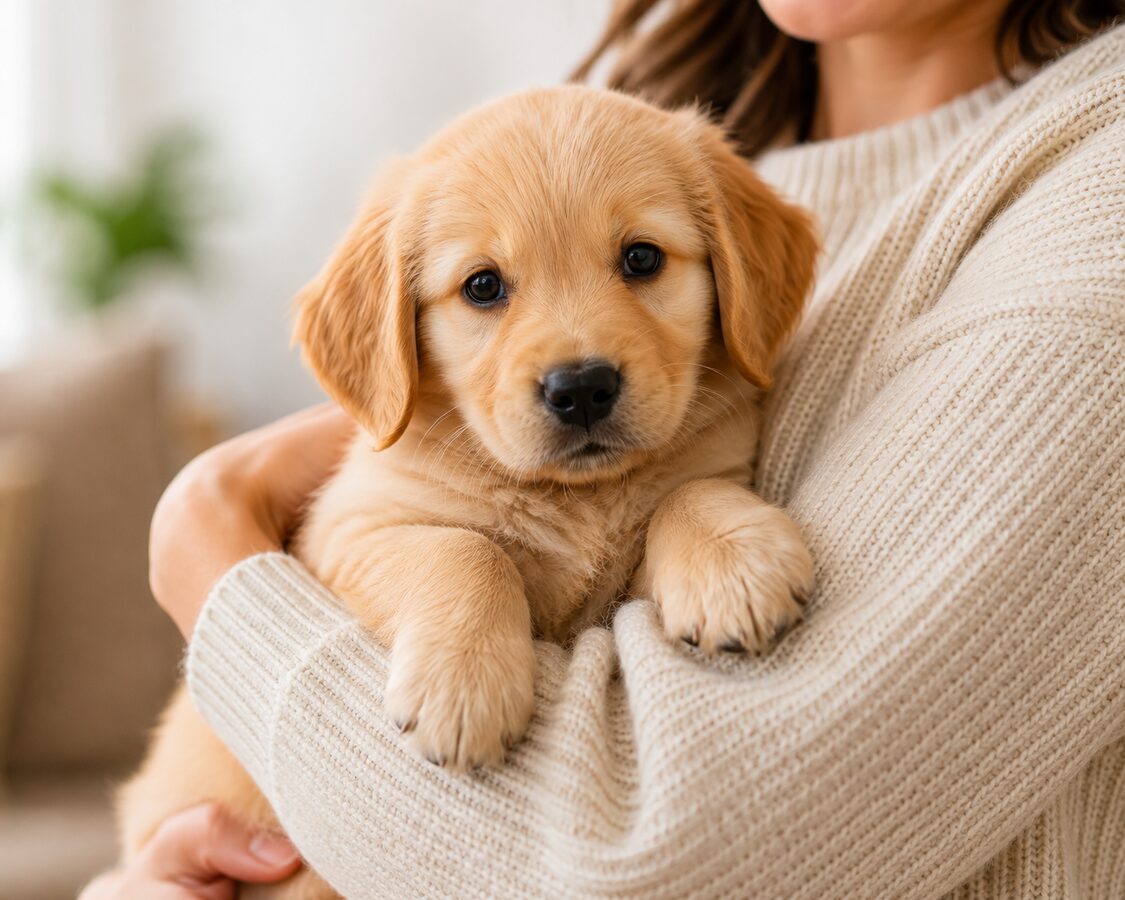
Future ePuP artwork: buying a puppy responsibly
Reserved for the final branded image showing a calm,
responsible puppy viewing with the breeder and mother dog.
/assets/images/advice/buying-a-puppy.jpg
Choose the breed before choosing the puppy
Start with the realities of adult dog ownership rather than
choosing mainly on appearance. A puppy grows quickly and its
exercise, grooming, training and veterinary needs can remain
with you for well over a decade.
-
Research adult size, temperament, exercise and grooming
requirements.
-
Consider your working hours, housing, children, other pets
and access to suitable outdoor space.
-
Budget for food, insurance, routine veterinary care,
training, equipment and unexpected treatment.
-
Research breed-specific health conditions and recommended
health testing for the parents.
Ask the seller detailed questions
A responsible breeder or seller should be willing to answer
sensible questions and should usually ask you questions too.
They should care about where the puppy is going and whether
your home is suitable.
-
Ask the puppy's date of birth, sex, current weight and
veterinary history.
-
Ask who bred the litter and why the litter was bred.
-
Ask about the mother's health, temperament and previous
litters.
-
Ask what socialisation the puppy has received and what
noises, people and environments it has experienced.
-
Where applicable, ask for the breeder's local-authority
licence details.
Always meet the puppy in person
Visit the place where the puppy has been raised. For a puppy
bred by the seller, you should normally be able to see it
interacting naturally with its biological mother and, where
still present, its littermates.
Avoid handovers in car parks or roadside locations.
Delivery should not replace a proper visit, and pressure to
meet somewhere unrelated to where the puppy lives should make
you cautious.
Check the puppy carefully
-
Look for clear eyes, comfortable breathing and a clean,
healthy-looking coat.
-
Watch how the puppy walks, plays and interacts with people
and other dogs.
-
Check that the environment is clean, appropriate and gives
the dogs enough space.
-
Do not ignore coughing, discharge, extreme lethargy,
obvious pain or serious fearfulness.
Check the paperwork
Documents should support what the seller has told you. Where
possible, verify important information independently rather
than relying only on photographs or screenshots.
-
Confirm the microchip number and ensure ownership details
can be transferred correctly.
-
Review vaccination, worming and veterinary records.
-
Check relevant health-test results for the parents.
-
Verify licensing information with the issuing local
authority where licensing applies.
-
Obtain a written receipt or agreement recording the puppy,
seller, buyer and amount paid.
Never let urgency replace your checks
Walk away if the seller becomes aggressive, refuses reasonable
checks, changes their story or demands immediate payment.
Missing out on one puppy is far better than supporting poor
welfare, illegal breeding or fraud.